Increasing Energy Efficiency with PU Sealant
Energy efficiency is a critical issue for both residential and commercial buildings in terms of savings and environmental sustainability. Preventing heat loss in buildings is possible with good insulation and sealing. PU Mastic minimizes energy loss by providing flexible and durable filling at joints, cracks, and connection points. In this article, we will examine in detail the methods of increasing energy efficiency with PU Mastic.
1. PU Sealant and Heat Loss
Heat loss occurs through windows, doors, wall joints, and cracks. PU mastic, thanks to its flexible structure, fills these gaps and prevents air passage. This prevents warm air from escaping and cold air from entering. Preventing heat loss reduces energy consumption and lowers bills.
2. Surface Preparation
Proper surface preparation before sealant application is crucial for energy efficiency. The surface must be clean, dry, and free of dust. Old sealant residue, oil, or dirt will prevent sealant adhesion and allow air to pass through gaps. Proper surface preparation prevents energy loss and improves sealant performance.
3. Joint and Crack Filling Technique
To prevent heat loss, it is important to apply PU sealant in the correct amount and evenly. For deep and wide joints, layered application should be done, and each layer should be allowed to dry. For small cracks, the gaps should be completely filled by application with a sealant gun or by hand. This maximizes energy efficiency.
4. Selection of PU Sealant
PU sealant used in energy efficiency applications must have high flexibility, strong adhesion, and a long service life. Furthermore, UV-resistant and water-resistant products should be preferred for outdoor applications. Choosing the right product absorbs joint and crack movements, preventing cracking and reducing energy loss.
5. Application Techniques
Gun-based Operation
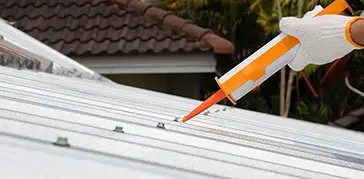
Gun-type application is an effective method, especially for long joints and window edges. Placing the tip of the sealant gun into the joint and applying it with even pressure ensures a homogeneous filler. This method minimizes air and heat transfer.
Manual Application
For small or confined spaces, manual application is possible. Using a spatula or finger, the sealant is applied to the joint and the surface is smoothed. The joint depth and quantity must be appropriate; applying too much or too little can reduce energy efficiency.
Layered Application
For large or deep joints, layered application is recommended. Each layer should be allowed to dry before applying the next. This ensures a homogeneous filler and prevents energy loss.
6. Curing Time and Effect
The effectiveness of PU sealant in terms of energy efficiency depends on its drying time. Applying pressure or using joints before the sealant is fully cured can lead to cracking and separation problems. Drying time varies depending on ambient temperature, humidity, and joint thickness. Following the manufacturer's instructions ensures maximum performance.
7. PU Sealant and Heat Insulation Durability
PU sealant, thanks to its flexible structure, absorbs mechanical movements occurring in joints and cracks. Thermal expansion, vibrations, and structural movements are accommodated by the sealant without cracking or separating. This durability prevents energy loss for a long time and improves insulation performance.
8. Application Tips
- Ensure the surface is clean and dry.
- Choose a sealant that is flexible and has high adhesive strength.
- Fill joints and cracks homogeneously.
- Apply in layers for large or deep joints.
- Pay attention to the curing time; do not intervene before the sealant is fully cured.
- Excess sealant should be cleaned and the surface smoothed.
Conclusion
Increasing energy efficiency with PU sealant requires the right product selection, surface preparation, and appropriate application techniques. Thanks to its flexible structure and strong adhesive properties, sealant provides effective sealing in joints and cracks. By paying attention to these steps, you can reduce heat loss, save energy, and achieve long-lasting insulation solutions.
The information in this text may vary from time to time depending on the manufacturer. Always check the product label.