Common Mistakes in PU Sealant Application
PU sealant is widely used in the construction industry for sealing, insulation, and bonding applications. However, incorrect application reduces sealant performance and can lead to problems in a short time. In this article, we will examine in detail the common mistakes made in PU sealant application, their causes, and solutions.
1. Lack of Surface Preparation
One of the most important performance criteria for PU sealant is its ability to establish strong contact with the surface. The sealant will not adhere sufficiently to dirty, dusty, or damp surfaces, and a watertight seal cannot be achieved in the joints. Furthermore, old sealant residue or oil layers also hinder adhesion. Therefore, surface cleaning, dryness, and preparation are critical steps in the success of the application.
2. Choosing the Wrong Type of Sealant
Each PU sealant product has different properties. For outdoor applications, UV-resistant, flexible, and water-resistant products should be preferred. Choosing the wrong product can lead to cracking, separation, or loss of performance over time. Selecting the sealant suitable for the conditions of the application area is essential for a long-lasting and durable application.
3. Not paying attention to joint and crack depth.
The depth and width of joints or cracks directly affect sealant performance. If joints that are too deep or too shallow are filled with the wrong amount of sealant, a loss of sealing and flexibility can occur. Applying sealant in layers and allowing each layer to dry properly in large joints prevents this error and improves sealant performance.
4. Incorrect Application Technique
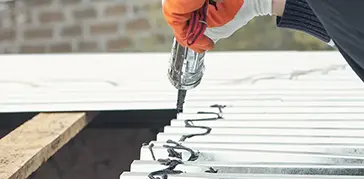
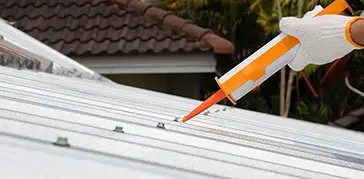
When applying PU sealant with a sealant gun or by hand, a homogeneous filler must be ensured. Application with uneven or irregular pressure will lead to the formation of voids and loss of sealing. Especially in gun applications, it is necessary to properly position the tip and apply even pressure. In hand application, it is important to create a smooth surface using a spatula or your fingers.
5. Failure to Pay Attention to the Curing Period
The performance of PU sealant depends on its drying and curing time. Applying pressure or using the joint before complete drying will lead to cracking and separation problems. Drying time varies depending on ambient temperature, humidity, and joint thickness. Adhering to this time ensures that the sealant's performance is maintained for a long time.
6. Excessive Mastic and Lack of Smoothing
After sealant application, joint overflows may occur. If these overflows are not cleaned, aesthetic problems and contamination issues will arise. Furthermore, if the surface is not smoothed, the sealant may develop voids or its sealing properties may decrease over time. Excess sealant should be cleaned with a suitable spatula or cloth, and the surface should be smoothed.
7. Don't Ignore Surface and Environmental Conditions
Environmental factors such as temperature, humidity, and wind must be considered during PU sealant application. Very low or high temperatures can reduce sealant performance. Applying sealant on damp surfaces delays curing and weakens adhesion. Application according to ambient conditions minimizes errors.
8. Incompatibility with Solvent-Based Chemicals
PU sealant may damage the surface or delay curing when it comes into contact with some solvent-based chemicals. Therefore, there should be no solvent residue on the surface during application. Combinations with different chemicals should not be made without testing product compatibility.
9. Avoiding Layered Application in Large Joints
Applying sealant in a single application to large or deep joints can lead to a decrease in sealant quality and loss of watertightness. With layered application, each layer must be allowed to dry before applying the next layer. This method ensures a homogeneous filler and long-lasting performance.
10. Neglecting Post-Application Care
After applying PU sealant, it is important to check the joints and surfaces. Excess sealant should be cleaned and the surface smoothed. Furthermore, monitoring the sealant's performance after curing and performing maintenance as needed ensures a long service life.
Conclusion
Common mistakes in PU sealant application stem from insufficient surface preparation, incorrect product selection, carelessness regarding joint depth, failure to adhere to drying times, and faulty application techniques. To prevent these errors, the correct type of sealant should be selected, surface cleaning and preparation should be carried out, application techniques should be carefully observed, and drying times should be adhered to. With proper application, PU sealant offers long-lasting, durable, and aesthetically pleasing solutions.
The information in this text may vary from time to time depending on the manufacturer. Always check the product label.