Joining Glass and Aluminum with PU Sealant
PU sealant is one of the most preferred materials for joining glass and aluminum surfaces. Its high adhesive strength, flexible structure, and water resistance provide reliable connections in window, door, shop window, and facade systems. However, without proper application techniques and surface preparation, sealant performance can decrease and connection safety can be compromised. This article will detail the process and tips for joining glass and aluminum with PU sealant.
1. Surface Preparation
Surface preparation is a critical step for effective bonding of PU sealant to glass and aluminum. Glass and aluminum surfaces must be clean, dry, and free of grease. Residues such as dust, dirt, or fingerprints weaken the sealant's adhesion and can lead to leakage or separation problems over time. Appropriate cleaning agents should be used to clean the surface before application, and the surface should be completely dried.
2. Selection of PU Sealant
For glass and aluminum joining applications, flexible, UV-resistant PU sealant products with high adhesive strength should be preferred. Using UV and weather-resistant products in outdoor applications ensures a long-lasting and aesthetically pleasing bond. Additionally, choosing a transparent or appropriately colored sealant enhances the aesthetics of the application.
3. Application Techniques
Gun-based Operation
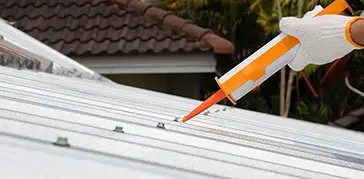
Gun application is the most effective method for glass and aluminum surfaces. Placing the tip of the sealant gun into the joint and applying it with even pressure ensures a homogeneous filler and reduces the risk of overflow. This method is ideal for achieving a smooth joint over large areas and flat surfaces.
Manual Application
For small areas or detailed work, manual application is possible. The sealant is applied to the joint using a spatula or fingers, and the surface is smoothed. The most important point to remember with this method is to use the correct amount of sealant for the joint depth. Applying too much or too little can reduce the sealant's performance.
Layered Application
Applying the sealant in layers at large joints or deep cracks increases its durability. Each layer must be allowed to dry, and the surface must be smoothed before applying the next layer. This method ensures homogenization of the sealant and provides a long-lasting bond.
4. Drying and Curing Time
For PU sealant to perform at its best, the curing time must be carefully observed. Applying pressure or touching the surface before complete curing can lead to cracking and loss of adhesion. In glass and aluminum joint applications, the sealant should be left untouched for the time recommended by the manufacturer. This time may vary depending on ambient temperature, humidity, and joint thickness.
5. Durability and Flexibility
PU sealant, thanks to its flexible structure, absorbs expansion and contraction between glass and aluminum. Especially in exterior facade and window applications, factors such as temperature changes, wind, and mechanical vibrations are withstood without cracking or breaking thanks to the sealant's flexibility. To increase durability, the correct type of sealant and appropriate application techniques should be used.
6. Sealing and Insulation
In glass and aluminum joining applications, PU sealant provides water and air tightness. Ensuring a homogeneous and void-free application when filling joints prevents water and air penetration. Furthermore, the sealant contributes to heat and sound insulation, improving building performance. This provides energy savings and comfort, especially in exterior and window applications.
7. Application Tips
- Ensure the surface is clean and dry.
- Choose the right type of sealant (UV resistant, flexible, and with high adhesive strength).
- Apply homogeneously using a spray gun or by hand.
- Use the appropriate amount of sealant for the joint thickness.
- Pay attention to the drying time and do not apply pressure to the surface.
- Achieve homogeneous filling in deep joints with layered application.
- After application, clean up any excess sealant and smooth the surface.
Conclusion
PU sealant, when used correctly, along with proper product selection, surface preparation, and application techniques, provides long-lasting and durable results in glass and aluminum joining applications. Its flexible structure, strong adhesion, and sealing performance ensure a secure connection in window, door, and facade systems. By paying attention to these steps, aesthetically pleasing and technically successful applications can be achieved.
The information in this text may vary from time to time depending on the manufacturer. Always check the product label.