Advantages and Disadvantages of PU Sealant
PU sealant is a widely used material in the construction industry, particularly in sealing, insulation, and surface bonding applications. Its flexible structure, strong adhesion, and usability on various surfaces offer numerous advantages. However, like any product, PU sealant also has some disadvantages. This article will examine the advantages and disadvantages of PU sealant in detail.
Advantages of PU Sealant
1. High Adhesion Strength
PU sealant provides strong adhesion to various surfaces such as concrete, brick, glass, aluminum, wood, and metal. This feature ensures reliable performance in sealing and insulation applications. Its firm contact with the surface results in long-lasting and durable results.
2. Flexibility and Elasticity
Because PU mastic is a flexible material, it absorbs movements occurring in the joints and cracks where it is applied. In situations such as temperature and humidity changes, and structural expansion and contraction, the mastic maintains its performance without cracking. This flexibility is critically important, especially in exterior facade and terrace applications.
3. Water and Air Tightness
PU mastic is frequently preferred in waterproofing applications due to its water-resistant properties. It prevents water penetration by filling joints in areas such as terraces, balconies, bathrooms, and kitchens. It also contributes to energy savings by providing airtightness.
4. Heat and Sound Insulation
PU sealant fills gaps, contributing to both thermal and acoustic insulation. Its thermal insulation properties increase energy efficiency, while its acoustic insulation provides comfort in living and working spaces. This versatile use makes PU sealant ideal for numerous applications.
5. Easy Application
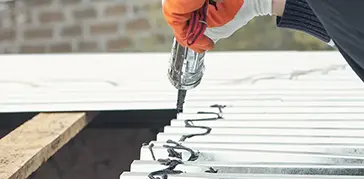
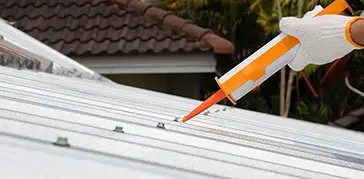
PU sealant can be applied with a sealant gun or by hand. It can be easily filled into joints and cracks and smoothed with a spatula. Its fast-drying property shortens application time in some products. This ease of use is advantageous for both professional and amateur users.
6. Durability and Long Lifespan
PU sealant is resistant to UV rays, water, temperature changes, and external factors. When applied correctly, it can be used for years without cracking, peeling, or losing performance. This long-lasting performance reduces construction costs and minimizes maintenance needs.
Disadvantages of PU Sealant
1. Sensitivity to Surface Preparation
The performance of PU sealant depends on the cleanliness and dryness of the surface to be applied. The sealant may not adhere sufficiently to dusty, oily, or damp surfaces. Therefore, failure to properly prepare the surface can reduce sealing performance.
2. Incompatibility with Solvent-Based Products
Some solvent-based construction chemicals may be incompatible with PU sealant. Direct contact may damage the sealant surface or delay curing. Therefore, product compatibility should be tested before combining them.
3. Attention to the Curing Period is Required
PU sealant requires a specific curing time to perform at its best. Intervening before curing is complete can lead to cracking and loss of performance. Especially in thick joints, curing time can be long and requires patience.
4. Sensitivity to UV and Weather Conditions
Not all types of PU sealant are resistant to UV rays and outdoor weather conditions. Using products with low UV resistance in outdoor applications can lead to surface yellowing or cracking over time. Therefore, choosing the right product is crucial.
5. Cost Factor
PU sealant may be more expensive than some other types of sealant. However, its long lifespan and versatile use make the cost worthwhile. Nevertheless, this should be considered when choosing a budget-friendly product.
Balancing the Advantages and Disadvantages
To maximize the advantages and minimize the disadvantages of PU Sealant, the following measures can be taken:
- Pay attention to surface cleanliness and dryness.
- To carry out the application under suitable environmental conditions.
- Limit contact with solvent-based chemicals.
- To fully comply with the institution's deadlines.
- Choosing UV-resistant products for outdoor applications.
- Applying the appropriate method according to the depth of the joints and cracks.
Conclusion
PU sealant offers many advantages such as its flexible structure, high adhesive strength, water and air impermeability, and heat and sound insulation. However, it also has disadvantages such as sensitivity to surface preparation, drying time, and incompatibility with some chemical products. Considering these advantages and disadvantages, and with the correct application techniques and appropriate environmental conditions, PU sealant can be used as a long-lasting and effective building material.
The information in this text may vary from time to time depending on the manufacturer. Always check the product label.