Compatibility of PU Sealant and Construction Chemicals
PU sealant is one of the most preferred materials in the construction industry for sealing, insulation, and surface bonding applications. When used in conjunction with construction chemicals, it offers long-lasting, durable, and effective solutions thanks to the correct combination and application techniques. However, incompatible uses with certain chemical products can negatively affect sealant performance. This article will discuss the compatibility of PU sealant with construction chemicals in detail.
Basic Compatibility Between PU Sealant and Construction Chemicals
PU sealant can be used with various construction chemicals, including adhesives, joint fillers, waterproofing materials, and paint-based products. Basic compatibility depends on the sealant and the chemical being able to work together without reacting chemically. For example, some solvent-based chemicals can damage the surface of PU sealant or reduce its adhesion. Therefore, it is important to examine the properties of the chemicals to be used before application.
Surface Preparation and Chemical Compatibility
Surface preparation is a critical step in ensuring compatibility between PU sealant and construction chemicals. The surface to be applied must be clean, dry, and free of dust. Additionally, any residues that could react with the construction chemicals (e.g., old sealant, solvent residue, or oil) must be removed. Proper surface preparation improves sealant adhesion and supports chemical compatibility.
PU Sealant and Waterproofing Products
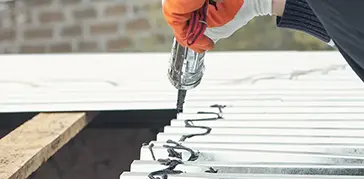
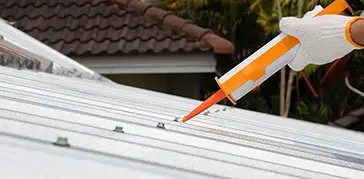
PU mastic can be used with waterproofing materials. In terrace, balcony, roof, and bathroom joints, mastic provides maximum insulation when combined with water-resistant materials. However, it is important to consider whether the waterproofing material can be applied directly onto the mastic. Some chemical additives may delay curing on the mastic surface or reduce its sealing performance.
PU Sealants and Paints or Coatings
PU sealant can be used compatibly with paints or coatings. However, during application, paint or coating should not be applied before the sealant has cured. Applications made to uncured sealant may lead to cracking or loss of adhesion. Also, some solvent-based paints may react with the sealant surface, reducing its performance. Therefore, attention should be paid to sealant and paint compatibility.
PU Sealant and Adhesive Products
PU sealant provides strong bonds when used with construction adhesives. Especially on glass, aluminum, metal, or stone surfaces, the combination of sealant and adhesive offers a durable and flexible solution. However, some strong solvent-based adhesives can cause surface degradation when in direct contact with the sealant. Therefore, it is beneficial to perform compatibility tests when combining sealants.
Compliance Tests and Precautions
To ensure compatibility between PU sealant and construction chemicals, certain precautions can be taken:
- Test on a small area before applying.
- Review the manufacturer's instructions for the construction chemical to be used.
- Avoid solvent-based products or limit their contact with the sealant.
- Pay attention to the drying time and environmental conditions.
- In layered applications, trying chemical combinations in stages.
PU Sealant and Chemical Reaction Risks
PU sealant can react with some chemical products. Products containing strong acids or bases, in particular, can damage the sealant's structure or weaken its adhesion. Additionally, some additives can delay curing or increase the risk of cracking on the sealant surface. Therefore, the contents of construction chemicals used should be carefully examined before application.
Application Tips
- Clean, dry, and remove dust from the surface.
- Test the compatibility of PU sealant and the construction chemical to be used on a small area.
- Do not apply any other chemicals before the curing period is complete.
- Avoid solvent-based products or apply them under controlled conditions.
- Ensure homogeneous application in joints and cracks.
- Optimize the chemical combination with layering if necessary.
Conclusion
The compatibility of PU sealant with construction chemicals plays a critical role in achieving long-lasting and effective sealing, insulation, and adhesion applications. Surface preparation, chemical compatibility, drying time, and correct application techniques directly improve sealant performance. By paying attention to these principles, you can use PU sealant safely and durably with construction chemicals.
The information in this text may vary from time to time depending on the manufacturer. Always check the product label.