How to achieve a seal with PU sealant?
PU sealant is one of the most frequently preferred materials for sealing in the construction industry. Thanks to its flexible structure, strong adhesion, and water-resistant properties, it can be safely used in both indoor and outdoor applications. Sealing is possible not only with product quality but also with correct application techniques and surface preparation. In this article, we will examine in detail the methods of achieving effective sealing using PU sealant.
Why is sealing with PU sealant important?
Sealing in buildings is crucial for both structural integrity and energy efficiency. Water leaks can lead to moisture accumulation, heat loss, and material deformation. PU Mastic offers an effective solution to these problems. Thanks to its flexible structure, it absorbs natural movements in buildings and prevents cracking. Furthermore, its strong adhesion to various surfaces ensures a watertight seal.
The Importance of Surface Preparation
Surface preparation is a critical step in achieving an effective seal with PU sealant. The surface to be treated must be clean, dry, and free of dust. Oil, dirt, or old filler residue can prevent sealant adhesion. Lightly sanding the surface before application on concrete, brick, wood, or metal surfaces improves adhesion. Additionally, removing loose particles around joints or cracks directly affects the quality of the seal.
Choosing the Right PU Sealant
PU sealants can have different properties. For outdoor applications, UV and weather-resistant products should be preferred. For indoor applications, fast-drying and low-odor products are more suitable. Sealing performance begins with the correct sealant selection, so choosing the right product for the application area is crucial.
Application Techniques
Gun-based Operation
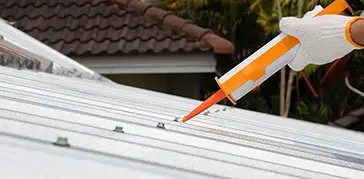
Using a PU sealant gun is the most common and effective method for sealing applications. The gun tip should be placed in the joint and the sealant applied with even pressure. Gun application ensures a homogeneous filler along the joint and reduces the risk of overflow. Furthermore, gun application allows for quick and even application over large areas.
Manual Application
For small areas or detailed work, manual application is preferred. In this method, the sealant is applied to the joint using a spatula or fingers. After the joint is completely filled, the surface is smoothed. The most important point to remember when applying by hand is to use the correct amount of sealant for the joint depth.
Joint and Crack Depth
When sealing with PU mastic, joint depth is crucial. If the joint is too deep, the amount of mastic must be increased; otherwise, voids will remain and sealing will not be achieved. If the joint is too shallow, overflow and uneven surfaces may occur. Optimal joint depth is essential for maintaining both the seal and aesthetics.
Curing Period and Waiting Time
After applying PU sealant, it is necessary to wait for it to dry. Drying time varies depending on ambient temperature, humidity, and sealant thickness. Waiting until the surface is hard enough to touch improves sealing performance. Applications without paying attention to drying time can lead to cracking and water leaks.
Waterproofing with PU Sealant
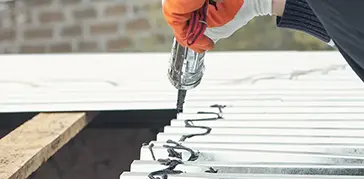
PU mastic is ideal for waterproofing thanks to its water-resistant properties. In areas such as terraces, balconies, roofs, and bathrooms, the mastic fills joints and cracks, preventing water penetration. Especially in outdoor applications, using UV and weather-resistant PU mastic ensures long-lasting sealing.
Sound and Heat Insulation Additive
PU sealant provides a watertight seal while also contributing to sound and heat insulation. By filling gaps, it reduces sound transmission and contributes to energy efficiency. This feature is particularly important in apartment and office applications.
Common Mistakes in Practice
- Neglect of surface cleaning
- Failure to use sealant suitable for the joint depth.
- Failure to comply with the institution's deadline
- Excess or insufficient application of sealant.
- In outdoor applications, exposure to direct sunlight.
Tips for Improving Sealing Performance with PU Sealant
- Clean and dry the surface before application.
- Use sealant that matches the joint dimensions.
- Pay attention to the drying time after application.
- If necessary, improve adhesion by lightly sanding around the joint.
- Choose UV-resistant products for outdoor applications.
The information in this text may vary from time to time depending on the manufacturer. Always check the product label.