PU Sealant Application Techniques
PU sealant, when applied with the correct techniques, offers a long-lasting, flexible, and durable solution. Incorrect application can lead to sealing and adhesion problems. Therefore, it is important to carefully follow the application steps.
Surface Preparation
The first and most important step in applying PU sealant is surface preparation. The surface must be clean, dry, and free of dust. Oil, dirt, or old filler residue will prevent the application from adhering. If necessary, the surface should be lightly sanded.
Application with a Sealant Gun
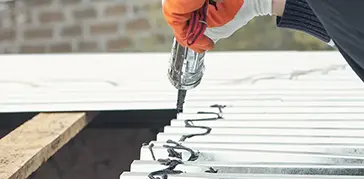
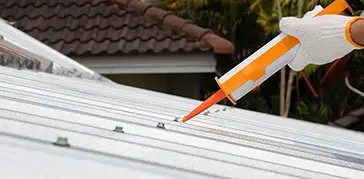
Gun-applied PU sealant provides a smoother and more controlled application. The gun tip should be placed in the joint and the sealant applied with even pressure. Applying too much pressure will cause overflow, while applying too little pressure will leave gaps.
Manual Application
Manually applied PU sealant is preferred, especially for small areas and detailed work. It should be applied in sections to completely fill joints or cracks. After application, the sealant is smoothed with a spatula or your fingers.
Curing Period and Waiting Time
PU sealant must be allowed to dry without breaking contact with the surface after application. Drying time varies depending on ambient temperature and humidity. Generally, application is considered complete when the surface is hard enough to be touched.
Correct Amount and Joint Depth
The greater the depth of the joint or crack, the greater the amount of PU sealant that should be applied. Insufficient application can leave gaps, while excessive application can cause overflow. Therefore, sealant should always be applied according to the surface dimensions.
Cleaning and Finishing
Excess PU sealant should be cleaned immediately after application. Dried sealant is difficult to remove from the surface and can impair the surface aesthetics. Smoothing the surface with a spatula or clean cloth ensures a smooth and aesthetically pleasing appearance.
Common Mistakes in Practice
- The surface was not cleaned sufficiently.
- The quantity should not be adjusted according to the depth of the joint or crack.
- Failure to pay attention to the institution's deadline.
- Excessive use of sealant and overflow.
- Application in direct sunlight
The information in this text may vary from time to time depending on the manufacturer. Always check the product label.